Σε ένα ταξίδι του Προέδρου της ΚΕΠΑ στην Κάρπαθο συνάντησε το Δήμαρχο Πηγαδίων και όταν του τον σύστησαν του είπε:
-Ω, εσείς είσαστε ο κ. Δήμαρχος, για τον οποίο μιλήσαμε στο Ύπατο συνέδριο της ΚΕΠΑ;
Και του απάντησε ο Δήμαρχος:
-Ποιο συνέδριο; Της «Λάντζας»;
ΚΕΠΑ
Στις 4 Νοεμβρίου 1928 ιδρύθηκε στο Pittsburgh η Παν-Καρπαθιακή οργάνωση KEPA «Karpathian Educational and Progressive Association», από τους Καρπάθιους του Pittsburgh και των γειτονικών περιοχών. Η ΚΕΠΑ είχε ομοσπονδιακό χαρακτήρα και σε μικρό χρονικό διάστημα, όπου υπήρχαν ακμάζουσες καρπαθιακές παροικίες, δημιουργήθηκαν 9 αυτοδιοικούμενα τμήματα: Pittsburgh PA, New York, Logan WV, Wheeling WV, Baltimore MD, New Castle PA, Chicago IL, New Kensington PA, Detroit MI. Αργότερα, με την ανάπτυξη της καρπαθιακής διασποράς στην Αμερική, δημιουργήθηκαν και άλλα τμήματα: Weirton WV, Steubenville OH, Yorkville OH, Canonsburg PA, Cleveland OH, Allentown PA, Washington DC, Whitesville WV, New Jersey, Tarpon Springs FL, Portland OR, Phoenix AR και Orlando FL.
Κάθε χρόνο, στο «4th of July Weekend» και από το 1975 στο «Memorial Day Weekend», λάμβανε χώρα το Ύπατο Συνέδριο της ΚΕΠΑ σε μια από τις πόλεις της Αμερικής, όπου τα τμήματα της ΚΕΠΑ έστελναν αντιπροσώπους. Στο Συνέδριο λαμβάνονταν Παν-Καρπαθιακού ενδιαφέροντος αποφάσεις και εκλεγόταν το Ύπατο Διοικητικό Συμβούλιο.
Τα θέματα που απασχολούσαν την ΚΕΠΑ ήταν η υποστήριξη των ελληνικών σχολείων στην Κάρπαθο, που βρίσκονταν υπό την καταδίωξη των ιταλικών αρχών. Παρά την παγκόσμια οικονομική κρίση, που άρχισε το 1932, που ήταν περίοδος δοκιμασίας και για τους Καρπαθίους της Αμερικής, η ΚΕΠΑ συνέχισε την δράση της. 136 μέλη υπήρξαν συνεπή στις ταμειακές τους υποχρεώσεις και το 1934 εξέδωσε το πρώτο της λεύκωμα για να γιορτάσει την πρώτη της πενταετία.

Στην διάρκεια του Δευτέρου Παγκοσμίου Πόλεμου, η ΚΕΠΑ συμμετείχε στους αγώνες της «Δωδεκανησιακής Νεολαίας Αμερικής» και του «Εθνικού Δωδεκανησιακού Συμβουλίου Αμερικής», και κατέβαλε αξιόλογες προσπάθειες να ενισχυθεί ο κοινός Συμμαχικός αγώνας για την απελευθέρωση της Δωδεκανήσου και την ενσωμάτωσή της στην Ελλάδα. Σ’ αυτή την περίοδο, εκτός της μηνιαίας εφημερίδας «Η ΦΩΝΗ της ΚΕΠΑ», η ΚΕΠΑ εξέδωσε αρκετά μνημειώδη λευκώματα, και τα μέλη της πέρασαν τα 500.
Επίσης η ΚΕΠΑ βοήθησε την αμερικανική πολεμική προσπάθεια με την διάθεση κρατικών ομολόγων «Savings Bonds for Freedom» και με την συγκέντρωση δωρεών υπέρ του «Greek War Relieve Fund» και του Αμερικανικού Ερυθρού Σταυρού. Δεν ξέχασε και την Κάρπαθο, που βρισκόταν σε πολεμική ζώνη. Μέσα σ’ ένα χρόνο, 1944, η ΚΕΠΑ συγκέντρωσε περισσότερα από 16.000 δολάρια, για την περίθαλψη των παιδιών της Καρπάθου, που θα έμειναν ορφανά από τις πολεμικές επιχειρήσεις. Εκτός από τα τμήματα της ΚΕΠΑ, 211 Καρπάθιοι πρόσφεραν ατομικά από 1-300 δολάρια.
Μετά το τέλος του πολέμου και την Ενσωμάτωση της Δωδεκανήσου στην Ελλάδα, η ΚΕΠΑ έστρεψε το ενδιαφέρον της στην Κάρπαθο: αγόρασε γεωργικά εργαλεία και σπόρους για να βοηθήσει την γεωργία του νησιού. Επίσης κατασκεύασε το μαρμάρινο «Μνημείο των Πεσόντων» στην πλατεία του Επαρχείου, με δυο κανόνια της Επανάστασης 1821. (Τα είχαν φέρει οι Ιταλοί από την Κάσο και τα τοποθέτησαν στην είσοδο του ιταλικού νεκροταφείου στο Πλατύολο. Μετά που οι Ιταλοί ξέθαψαν τα οστά των νεκρών και τα πήραν στην Ιταλία, τα κανόνια έμειναν εγκαταλελειμμένα. Απ’ εκεί τα πήραν και τα τοποθέτησαν στο μνημείο). Δυστυχώς το εξαφάνισε η «Ανάπλαση» της πλατείας μαζί με την αποξήρανση του ανθοκήπου που από μέσα του πέρασε δρόμος και δημιουργήθηκε και πάρκινγκ.

Μόλις τελείωσε ο πόλεμος διαπιστώθηκε ότι στην Κάρπαθο δεν υπήρχαν ορφανά από τις πολεμικές επιχειρήσεις και άρχισαν οι διαβουλεύσεις για τον τρόπο διάθεσης του ποσού που είχε συγκεντρωθεί γ’ αυτό το σκοπό, που μαζί με τους τόκους είχε περάσει τις 20.000 δολάρια που ισοδυναμούσαν με 2.000 χρυσές λίρες, σημερινής αξίας δυο εκατομμυρίων δολαρίων. Τελικά το Ύπατο Συνέδριο αποφάσισε να αγοράσει οικόπεδο στο οποίον έκτισε τον Υγειονομικό Σταθμό στα Πηγάδια.
Στα ανθρακωρυχεία και στα χαλυβουργεία
Οι πρώτοι Καρπάθιοι που ήρθαν στην Αμερική έπιασαν δουλειά στα ανθρακωρυχεία. Δεν ήταν μόνο δύσκολη αλλά και επικίνδυνη εργασία, όπως την περιγράφει ο Νίκος Κωνσταντινίδης:
Ν’ αφήσεις τ’ ακρογιάλια σου, τον καθαρό αέρα,
να μπεις στη καρβουνόμινα κι όξω να λάμπ’ η μέρα.
Να ’ρθεις να μπεις μέσα στη γη, διακόσια μέτρα κάτω,
και ν’ αναπνέεις τις μουχλιές, να γίνεσαι άνω κάτω.
Νά ’χεις το φόβο ταχτικά μη τύχει και βουλιάξει,
ή μην επάρει και φωδιά και στο λεφτό σε κάψει.
Όλα τα συλλογίζεσαι και κάνεις το σταυρό σου,
κι εφτά φορές εις το λεπτό βλέπεις τον Άγγελό σου.
Δεκάδες Καρπάθιοι έχασαν την ζωή τους στα ανθρακωρυχεία, μεταξύ αυτών και οι έξη στο Dawson NM, ενώ άλλοι, που ανέπνεαν την καρβουνόσκονη, έφυγαν γλήγορα από lang disease (πνευμονική μόλυνση).

Εκτός από τα ανθρακωρυχεία, αρκετοί Καρπάθιοι έπιασαν δουλειά στα χαλυβουργεία, όπου η δουλειά ήταν ασφαλέστερη αλλά εξίσου δύσκολη, όπως και πάλι την περιγράφει ο Νίκος Κωνσταντινίδης:
Άλλοι στα εργοστάσια, με το ψηλό φουγάρο,
εψήσαν το κορμάκι τους, ωσάν τον μπακαλιάρο.
Στην «Λάντζα»
Υπήρχαν και αυτοί που έπιασαν δουλειά πιατάδες στα εστιατόρια, στην «Λάντζα», όπως υποτιμητικά την αποκαλούσαν. Δούλευαν δέκα ώρες την ημέρα και έξη μέρες την εβδομάδα. Δεν είχαν ανακαλυφθεί τα πλυντήρια που έκαμαν πιο εύκολη την δουλειά των πιατάδων. Όρθιοι μπροστά στην λάντζα, στον ένα νεροχύτη σαπούνιζαν τα πιάτα και στον άλλο τα ξενέριζαν. Ο μισθός των πιατάδων δεν ήταν ικανοποιητικός, αλλά η δουλειά ήταν ακίνδυνη και είχαν και δυο γεύματα την ημέρα δωρεάν.
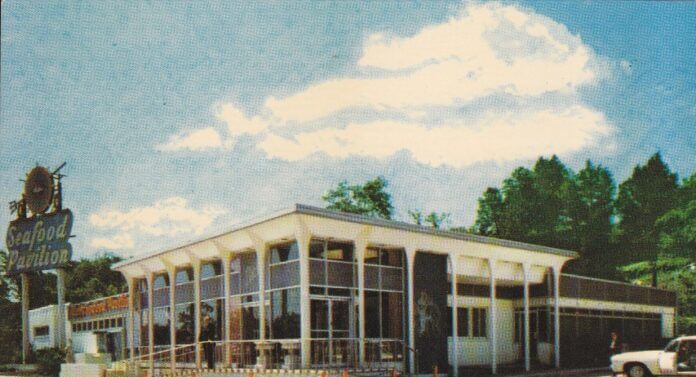
Ορισμένοι από τους πιο επιμελείς και μετά από πολλές προσπάθειες, εξελίσσονταν σε εστιάτορες. Ο Μανώλης Γιαννάκης άνοιξε το 1912 στο Charleston WV το πρώτο καρπάθικο εστιατόριο στην Αμερική. Με το καιρό ακολούθησαν και άλλοι Καρπάθιοι και ορισμένοι απ’ αυτούς δημιούργησαν τα καλύτερα εστιατόρια στην Αμερικής. Το 1925, ο Γιάννης Εμ. Πιττάς άνοιξε το John’s Restaurant στο Bartow FL και αργότερα ο Νίκος Ματθαίου άνοιξε στο Yorktown το Nick’s Seafood Pavilion. Με δωρεά του Νίκου Ματθαίου κτίστηκε ο δεύτερος όροφος του Υγειονομικού Σταθμού στην Κάρπαθο.

Οι Καρπάθιοι που τους ακολούθησαν στην Αμερική, έπιαναν δουλειά στα Καρπάθικα εστιατόρια. Στην αρχή ως πιατάδες, στην συνέχεια αναλάμβαναν ως μάγειροι και με τον καιρό μάθαιναν ό,τι είχε σχέση με τα εστιατόρια. Μετά από πέντε περίπου χρόνια, τέσσερις από τους πρώην πιατάδες συνεταιρίζονταν και με τις οικονομίες τους έφτιαχναν δικό τους εστιατόριο. Στην αρχή, δούλευαν 12 ώρες την ημέρα και επτά μέρες την εβδομάδα.
Οι Καρπάθιοι εστιάτορες έδειξαν ενδιαφέρον στα Diners, που με τον καιρό εξελίχθηκαν σε πολυτελή εστιατόρια. Οι Νίκος Καπετανάκης και Γιάννης Γεργατσούλης άνοιξαν το πρώτο καρπάθικο Diner, το 1938 το Horseshoe Diner στο Jersey City NJ. Ακολούθησαν και άλλοι, και μέχρι το 1990 τα καρπαθιακά Diners μόνο στο New Jersey είχαν περάσει τα 100, έτσι, όταν κάποιος σταματούσε σε κάποιο Diner του New Jersey, δεν ρωτούσε αν ήταν ελληνικό αλλά αν ήταν καρπάθικο. Με πρωτοβουλία των Καρπαθίων εστιατόρων ιδρύθηκε ο συνεταιριστικός οργανισμός Pangregorian του New Jersey, που αργότερα επεκτάθηκε και σε άλλες πολιτείες της Αμερική, με αξιόλογη επιχειρηματική αλλά και φιλανθρωπική δράση.
Πάνω από έναν αιώνα κράτησε το Ύπατο Συνέδριο της «Λάντζας», και συνεχίζεται.
“Lantza’s” Supreme Convention
By Manolis Cassotis
On a trip of the President of KEPA to Karpathos, he met the Mayor of Pigadia and when he was introduced to him, he said:
-Oh, you are the Mr. Mayor, about whom we spoke at the Supreme Convention of KEPA?
And the Mayor replied:
-Which convention? “Lantza’s”?
KEPA
On November 4, 1928, the Pan-Karpathian organization KEPA “Karpathian Educational and Progressive Association” was founded in Pittsburgh by the Karpathians of Pittsburgh and neighboring areas. KEPA had a federal character and in a short period of time, where there were thriving Karpathian communities, 9 self-governing chapters were created: Pittsburgh PA, New York, Logan WV, Wheeling WV, Baltimore MD, New Castle PA, Chicago IL, New Kensington PA, Detroit MI. Later, with the development of the Karpathian diaspora in America, additional chapters were created: Weirton WV, Steubenville OH, Yorkville OH, Canonsburg PA, Cleveland OH, Allentown PA, Washington DC, Whitesville WV, New Jersey, Tarpon Springs FL, Portland OR, Phoenix AR and Orlando FL.

Every year, on the “4th of July Weekend” and since 1975 on the “Memorial Day Weekend”, KEPA’s Supreme Convention took place in one of the cities of America, where KEPA’s chapters sent representatives. At the Convention, decisions of Pan-Karpathian interest were made, and the Supreme Board of Directors was elected.
The issues that concerned KEPA were the support of the Greek schools in Karpathos, which were under the persecution of the Italian authorities. Despite the global economic crisis, which began in 1932 and was a period of trial for the Karpathians of America as well, KEPA continued its activities. 136 members were consistent in their financial obligations and in 1934 it published its first album to celebrate its first five years.
During WWII, KEPA participated in the struggles of the “Dodecanese Youth of America” and the “National Dodecanese Council of America”, and made significant efforts to strengthen the common Allied struggle for the liberation of the Dodecanese and its integration into Greece. During this period, in addition to the monthly newspaper “THE VOICE OF KEPA”, KEPA published several monumental albums, and its members exceeded 500.
KEPA also helped the American war effort by offering government bonds “Savings Bonds for Freedom” and by collecting donations for the “Greek War Relieve Fund” and the American Red Cross. It did not forget Karpathos, which was in a war zone. Within one year, 1944, KEPA collected more than $16,000 for the care of the children of Karpathos, who would be orphaned by the war. In addition to KEPA’s chapters, 211 Karpathians individually donated 1-300 dollars.
After the end of the war and the incorporation of the Dodecanese into Greece, KEPA turned its attention to Karpathos: it purchased agricultural tools and seeds to help the island’s agriculture. It also built the marble “Monument to the Fallen” in the Administration square, with two cannons from the 1821 Revolution. (The Italians had brought them from Kasos and placed them at the entrance to the Italian cemetery in Platiolo. After the Italians dug up the bones of the dead and took them to Italy, the cannons were left abandoned. From there they were taken and placed at the monument.) Unfortunately, it was destroyed by the “Regeneration” of the square, along with the drying up of the flower garden through which a road passed, and a parking lot was created.
As soon as the war ended, it was discovered that there were no war orphans in Karpathos and discussions began on how to allocate the amount that had been collected for this purpose, which together with interest had exceeded $20,000, equivalent to 2,000 British Gold Sovereign, worth two million dollars today. Finally, the Supreme Council decided to purchase a plot on which it built the Health Service Station in Pigadia.
In coal mines and steel mills
The first Karpathians who came to America got jobs in the coal mines. It was not only difficult but also dangerous work, as Nick Konstantinidis describes it (in free translation):
To leave your shores, the fresh air,
to enter the coal mine, while outside the sun shines.
To enter the earth, two hundred meters below,
to breath the molds, upsetting your stomach.
To always have the fear that it would sink,
or catch fire and in a minute will burn you.
You ponder everything and make your cross,
and seven times in a minute you see your Angel.
Dozens of Karpathians lost their lives in the coal mines, including six in Dawson NM, while others, who breathed in the coal dust, died of Lang disease.
In addition to the coal mines, several Karpathians found work in steel mills, where the work was safer but equally difficult, as Nick Konstantinidis describes it again (in free translation):
Others in the factories, with the high chimney,
they cooked their body, like cod.
In “lantza”
There were also those who got jobs as dishwashers in restaurants, in the “Lantza”, as they were pejoratively called. They worked ten hours a day and six days a week. The washing machines that made the dishwashers’ job easier had not yet been invented. Standing in front of the lantza, they soaped the dishes in one sink and rinsed them in the other. The dishwashers’ salary was not satisfactory, but the work was safe and they also had two free meals a day.
Some of the most diligent and after many efforts, developed into restaurateurs. Manolis Giannakis opened the first Karpathian restaurant in America in 1912 in Charleston WV. Over time, other Karpathians followed and some of them created the best restaurants in America. In 1925, John E. Pittas opened John’s Restaurant in Bartow FL and later Nick Matthew opened Nick’s Seafood Pavilion in Yorktown. With a donation from Nick Matthew, the second floor of the Health Service Station in Karpathos was built.
The Karpathians who followed them to America got jobs in Karpathian restaurants. At first as dishwashers, then they took over as cooks and over time they learned everything that had to do with restaurants. After about five years, four of the former waiters partnered up and with their savings they built their own restaurant. At first, they worked 12 hours a day and seven days a week.
The Karpathian restaurateurs showed interest in the Diners, which over time evolved into luxury restaurants. Nick Kapetanakis and John Gergatsoulis opened the first Karpathian Diner, the Horseshoe Diner in Jersey City NJ in 1938. Others followed, and by 1990, the Karpathian Diners in New Jersey alone had exceeded 100, so when someone stopped at a Diner in New Jersey, he did not ask if it was Greek but if it was Karpathian. On the initiative of the Karpathian restaurateurs, the Pangregorian cooperative organization of New Jersey was founded, which later expanded to other states in America, with notable business and charitable activities.
The Supreme convention of “Lantza” lasted for over a century, and it continues.